Programmatic SEO: How Websites Actually Scale Traffic Without Writing 1000 Blogs
Introduction: Why Scaling Content Matters in Modern SEO Creating high-quality content takes time, research, and effort. From keyword analysis to optimization, every blog post is an investment. However, publishing a few articles is no longer enough to compete in today’s search landscape. Modern SEO requires scale. Businesses need to target hundreds or thousands of keyword variations to capture organic traffic effectively. This is where Programmatic SEO becomes essential. Programmatic SEO allows websites to generate large volumes of pages automatically, each targeting specific search queries. Instead of manually creating content one page at a time, you build a system that produces optimized pages at scale. When implemented correctly, this approach can dramatically increase visibility, improve rankings, and create a sustainable traffic engine. Understanding Programmatic SEO Programmatic SEO refers to the use of automation, data, and templates to create large volumes of SEO-optimized pages targeting variations of specific keywords. Unlike traditional content creation, where each page is written individually, Programmatic SEO relies on reusable frameworks that dynamically generate content based on structured inputs. At its core, Programmatic SEO is built on three fundamental components: keyword patterns, structured datasets, and page templates. Keyword patterns define the structure of search queries, such as “best hotels in [city].” Structured datasets provide the variables needed to populate these patterns, including locations, product categories, or service types. Templates serve as the foundation for page creation, ensuring consistency in layout, formatting, and optimization. This approach allows websites to systematically target a wide range of search queries without manually creating each page. For example, a travel website can generate pages for multiple destinations using a single template, while an e-commerce platform can create product-specific landing pages for different categories and price ranges. Programmatic SEO is widely used by major digital platforms such as Airbnb and TripAdvisor, which rely on automated page generation to cover extensive geographic and categorical search queries. Ahrefs has documented how companies like Zapier and Zillow use this same approach to generate millions of pageviews from a single page template, which demonstrates how scalable SEO strategies can drive significant traffic and establish market dominance. Why Programmatic SEO Matters in Modern Search Many websites rely on traditional blogging, publishing a limited number of articles. While this works, it restricts growth potential. Programmatic SEO solves this limitation by enabling scalable content production. And regardless of how content is produced, it still has to satisfy the same fundamentals: Google’s own Search Essentials guidance makes clear that helpful content, crawlable links, and clear keyword usage remain the core drivers of ranking, whether a page was written by hand or generated from a template. Massive Traffic Opportunities Programmatic SEO targets long-tail keywords, which are less competitive and highly specific. These keywords often convert better because they match user intent closely. Faster Growth Instead of waiting months to build traffic, you can scale content quickly and start ranking for multiple queries simultaneously. Efficient Resource Usage A single template can generate hundreds of pages, reducing the need for repetitive manual work. Competitive Advantage Leading companies like Airbnb and TripAdvisor use programmatic SEO to dominate search results across multiple categories and locations. Scale alone doesn’t win rankings, though; it has to be paired with the kind of domain authority DHI Digital breaks down in The Backlink Blueprint, since a large template with no external endorsements still struggles to outrank smaller, better-linked sites. Core Components of Programmatic SEO Successful implementation of Programmatic SEO requires a structured approach involving several key components. Keyword Pattern Identification The foundation of Programmatic SEO lies in identifying scalable keyword patterns. These patterns typically follow a consistent structure that can be replicated across multiple variations. Tools such as Ahrefs and SEMrush are commonly used to identify these patterns and analyze search volume, competition, and keyword variations. Data Collection and Structuring Structured data is essential for generating programmatic pages. This data may include information such as locations, product specifications, pricing, ratings, or service details. The quality and organization of this data directly impact the effectiveness of the generated content. For example, a dataset for a travel website might include cities, attractions, hotel names, and user ratings. This data can then be used to populate templates dynamically, ensuring that each page contains relevant and accurate information. Template Design Templates provide the structure for programmatic pages. A well-designed template ensures consistency in formatting, layout, and optimization while allowing for dynamic content insertion. Key elements of a template include: Templates must be designed carefully to balance automation with uniqueness. Overly repetitive templates can result in thin or duplicate content, which may negatively impact search rankings. Automation and Deployment Automation tools and content management systems play a crucial role in Programmatic SEO. Platforms such as WordPress and Airtable can be integrated with automation tools like Zapier to streamline page generation and publishing. Advanced implementations may involve custom scripts or APIs to dynamically generate pages based on real-time data. This enables continuous updates and scalability. Whichever deployment method you use, none of it matters if the new pages don’t get discovered, so it’s worth pairing your automation workflow with a proper sitemap strategy to get hundreds of freshly generated pages indexed quickly. Real-World Applications of Programmatic SEO Programmatic SEO is applicable across various industries, each leveraging its scalability to target specific audiences. In the travel industry, websites generate pages for different destinations, accommodations, and activities. For example, pages such as “hotels in Kathmandu” or “things to do in Pokhara” are created using standardized templates populated with location-specific data. E-commerce platforms use Programmatic SEO to create product category pages, filter-based listings, and price-specific searches. This allows them to target queries such as “budget smartphones under $300” or “running shoes for beginners.” Software-as-a-Service (SaaS) companies utilize Programmatic SEO to target industry-specific use cases and comparisons. Pages like “best CRM for small businesses” or “alternatives to project management tools” are generated to capture niche audiences. These applications demonstrate how Programmatic SEO can be adapted to different business models, enabling scalable content strategies across diverse sectors. Best Practices for Effective
Schema Markup Explained Simply: Help google and AI understand Your Website
Have you ever watched a courier deliver a package and wonder how he knew exactly which door to knock on? The answer is simple: the package had a label. A clear, structured label with a name, address, and contents. Without it, even the most experienced courier would be guessing.
Hreflang: A Critical Factor for Global Business Growth

Learn how hreflang tags improve international SEO in 2026 by targeting the right audience, enhancing user experience, and boosting global conversions.
Pillar Content and Cluster Strategy: A Game-Changer for SEO Growth
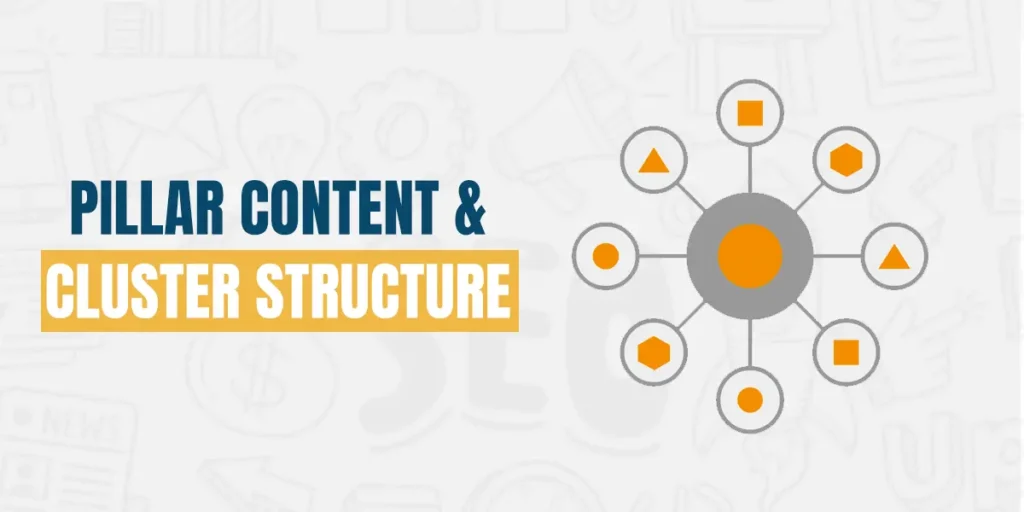
Learn how pillar and cluster content improves SEO in 2026 by building topical authority, strengthening internal links, and increasing organic traffic.
Blog Hierarchy in SEO: Why Structure Matters More Than Content Alone

Discover how proper blog hierarchy improves SEO in 2026 by enhancing content structure, user experience, rankings, and search visibility.
Sitemap in SEO: The Hidden Key to Getting Your Website Indexed Faster
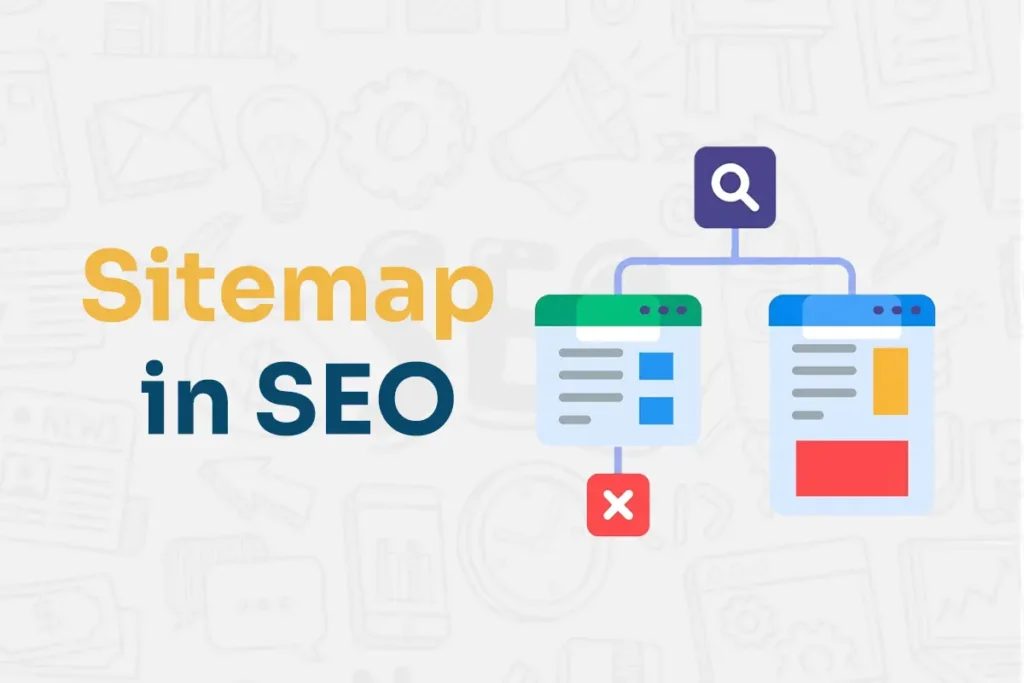
Learn why sitemaps are essential for SEO in 2026. Improve crawling, indexing, website visibility, and search rankings with a proper sitemap strategy.
How to Get AI Overviews: Complete AEO Guide

Search is no longer what it used to be. For years, businesses focused on ranking within the top ten blue links. Higher rankings meant more traffic, and more traffic meant growth. SEO was about keywords, backlinks, and technical tweaks that pushed a website upward in search results.Today, that system has evolved.
The Backlink Blueprint : How Digital Endorsements Transform Website Authority
Discover the strategic power of backlinks in building digital authority. This comprehensive analysis reveals how external endorsements, not just content quality, determine your website’s search engine success and online credibility.
The Fastest Way to Get Your New Blog Post Indexed by Google

Writing a high-quality blog post requires time, research, and strategy. From keyword planning to editing and SEO optimization, creating valuable content is a serious investment. However, publishing your article is only the beginning. If Google does not index your page quickly, it will not appear in search results meaning no traffic, no visibility, and no SEO impact.
The Hidden SEO Weapon: How Meta Descriptions Boost Your Click Through Rate

Understand how a well-written meta description can boost your website’s click-through rate and improve search visibility.