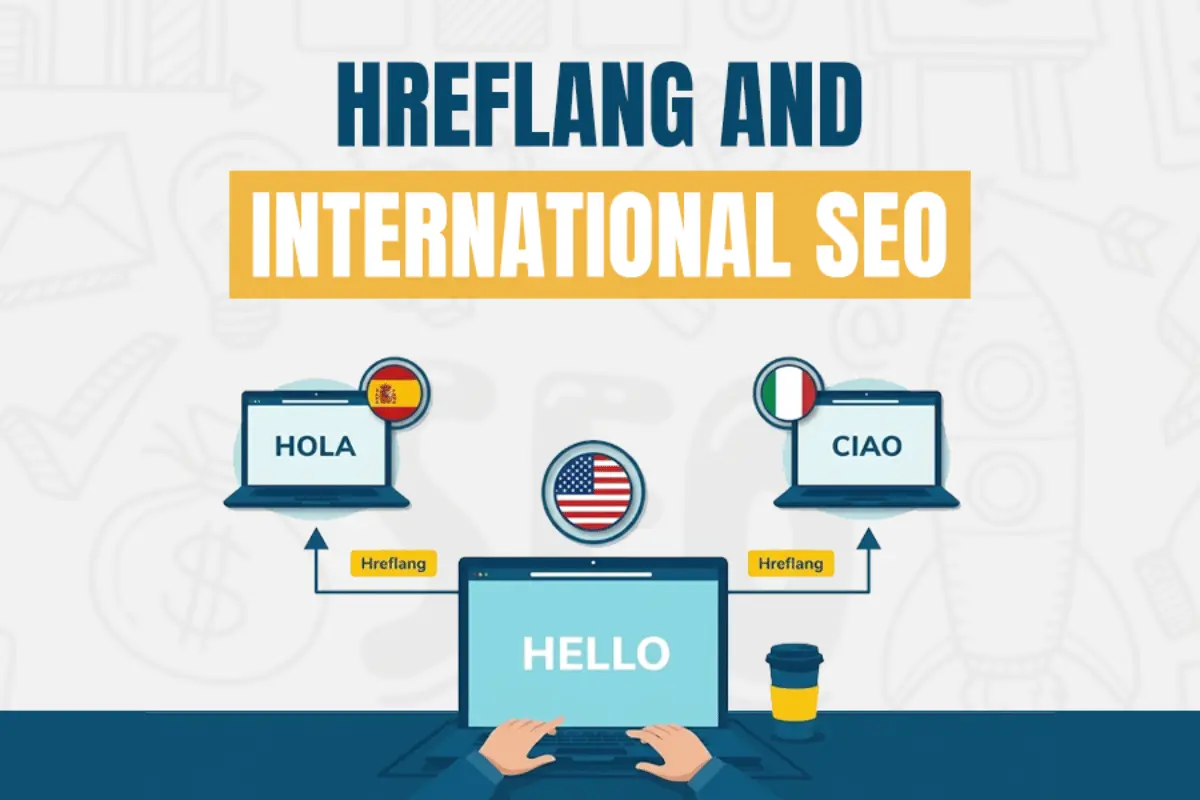
As businesses expand beyond local markets, reaching international audiences is no longer optional; it is essential. With digital platforms connecting users across countries and languages, websites must communicate clearly with search engines about who their content is meant for. However, many businesses overlook one critical aspect of international SEO: hreflang implementation.
Without proper hreflang setup, even the most well-designed websites can fail to reach the right audience. Traffic may increase, but conversions remain low. Users land on the wrong language or region-specific pages, leading to confusion, a poor experience, and lost opportunities. In 2026, when search engines prioritize relevance and user intent more than ever, hreflang plays a decisive role in determining whether your website attracts the right users or loses them to competitors.
This guide explains what hreflang is, how it works, why it matters, and how proper implementation can transform your global SEO performance.
Understanding Hreflang in Simple Terms
Hreflang is a simple HTML attribute that helps search engines understand the language and regional targeting of a webpage. It tells platforms like Google which version of your content should be shown to users based on their location and language preferences.
For instance, if your website has multiple versions such as English for the USA, English for the UK, and Nepali for Nepal, hreflang ensures that users in each region see the most relevant version. A user in Nepal will be directed to the Nepali page, while users in the UK and USA will see their respective English versions. Without proper hreflang implementation, search engines may display the wrong version of a page, even when a more suitable one is available, leading to a poor user experience and reduced SEO effectiveness.
Why Hreflang Matters More Than Ever in 2026
Search engines have become significantly smarter. They no longer rely only on keywords but also consider user intent, location, language preferences, and browsing behavior. Hreflang acts as a direct signal that removes ambiguity.
Key Benefits of Hreflang
1. Right Audience Targeting
Hreflang ensures users land on the most relevant version of your website based on their language and region.
2. Improved User Experience
Users don’t need to manually switch languages or navigate confusing layouts.
3. Higher Conversion Rates
When users see content in their preferred language and context, trust increases, leading to more conversions.
4. Better SEO Performance
Search engines can properly index and rank different versions of your site without confusion.
5. Avoiding Duplicate Content Issues
Multiple similar pages (like US vs UK English) are correctly interpreted as alternatives, not duplicates.
How Hreflang Works Behind the Scenes
Hreflang is implemented either in the HTML < head > section of a webpage or through an XML sitemap, helping search engines understand which version of a page should be shown to users based on their language and location. It uses standardized language and region codes (like en-US, en-GB, or ne-NP) to define the target audience for each page version.
For example, a website may have separate pages for US, UK, and Nepal audiences. By adding hreflang tags, you signal to Google which page is most relevant for each user. This prevents confusion when similar content exists across multiple regions.
Each tag acts as a clear instruction, ensuring users land on the correct localized version instead of a mismatched one.
Additionally, the x-default tag serves as a fallback option, directing users to a default page when no specific language or region match is found. This improves user experience and ensures consistent global accessibility.
What Happens When Hreflang Is Not Implemented Properly?
Improper hreflang implementation can create serious SEO and business issues that impact both visibility and user experience.
Common Problems
1. Wrong Page Displayed
Users may land on pages in the wrong language or region, causing confusion.
2. High Bounce Rate
Visitors leave quickly when content is not relevant to their needs.
3. Lost Conversions
Traffic may increase, but leads and sales remain low due to poor targeting.
4. Duplicate Content Confusion
Search engines struggle to differentiate similar pages.
5. Ranking Issues
Incorrect pages may rank instead of the intended versions.
The Hidden Cost: Traffic Without Conversion
One of the biggest misconceptions in digital marketing is that traffic automatically leads to success. In reality, traffic without relevance results in low engagement, and engagement without intent leads to no conversions. When hreflang is missing or incorrectly implemented, users may click on your link but land on a page that doesn’t match their language or region. As a result, they quickly leave without interacting or taking action. This creates a costly gap where you invest in visibility and attract visitors, but fail to generate meaningful results. Many businesses unknowingly lose revenue this way, simply because they are not delivering the right content to the right audience at the right time.
Correct vs Incorrect Implementation: The Real Difference
The success of hreflang largely depends on how accurately it is implemented. Even though the concept is simple, incorrect setup can lead to serious SEO issues. When implemented correctly, hreflang ensures that users are directed to the most relevant version of a webpage based on their language and region. This improves user experience, strengthens search engine understanding, and increases the chances of conversion.
On the other hand, incorrect implementation can create confusion for both users and search engines. Pages may compete against each other in rankings, users may land on irrelevant versions, and overall performance may decline. In many cases, businesses experience traffic without meaningful results simply because their content is not reaching the intended audience.
Key Components of Proper Hreflang Implementation
To ensure hreflang works effectively, several key factors must be followed. First, always use accurate language and region codes such as en-US, en-GB, or ne-NP, as incorrect codes can confuse search engines. Each page should include a self-referencing hreflang tag to confirm its role within the structure. Reciprocal linking is also essential if one page references another, it must be linked back. Additionally, all alternate versions should contain a complete set of hreflang tags for consistency. Using an x-default tag is recommended to guide users to a fallback page when no specific language or region match is available.
Hreflang and International SEO Strategy
Hreflang plays a crucial role in building a strong international SEO strategy. It ensures that localized content is delivered to the right audience without confusion. However, hreflang alone is not enough. It should be combined with proper localization, including region-specific keywords, cultural adaptation, and appropriate pricing or currency.
When used strategically, hreflang helps businesses expand into global markets more effectively. It connects technical SEO with user experience, ensuring that every visitor receives relevant content tailored to their needs.
Common Mistakes Businesses Make
Many businesses attempt to implement hreflang but fail due to common mistakes. These include using incorrect language codes, missing return links, and conflicts between canonical and hreflang tags. Some websites also forget to update hreflang tags after making structural changes, which can lead to broken signals.
Another common issue is assuming that hreflang alone will solve all international SEO problems. Without proper content localization and targeting, hreflang cannot deliver its full benefits.
The Right Strategy for Long-Term Growth
For sustainable growth, hreflang should be part of a broader SEO strategy that focuses on clarity, relevance, and consistency. When implemented correctly, it ensures that search engines understand your content and deliver it to the right audience.
In a competitive global market, reaching users is not enough, reaching the right users is what truly matters. Hreflang makes this possible by aligning your content with user intent and location.
Conclusion: Turn Global Traffic into Real Results
Hreflang may seem like a small technical detail, but its impact is powerful. It determines how effectively your website communicates with search engines and how well it connects with international audiences. In 2026, where personalization and relevance drive search results, businesses that implement hreflang correctly gain a clear competitive advantage. Those who ignore it risk attracting the wrong traffic and losing valuable revenue opportunities.
Ultimately, hreflang is not just about SEO it is about delivering the right experience to the right audience at the right time. Want to expand globally and reach the right customers? Connect with DHi Digital today and take your international SEO strategy to the next level.